Nevada Medicaid PCS: What's Covered and Who Qualifies
NevadaList editorial · 2026-09-16
What is Nevada Medicaid Personal Care Services?
Nevada Medicaid Personal Care Services (PCS) serves residents who need assistance to live at home due to a chronic health issue or disability. PCS focuses on non-medical support with daily tasks that many people take for granted.

The program helps people remain in their own homes rather than moving to institutional settings. To qualify, a person must meet medical necessity criteria set by Nevada Medicaid and need help with at least one activity of daily living.
Daily Activities Covered by PCS
PCS is non-medical and covers bathing, dressing, grooming, toileting, transferring between bed and chair, light meal preparation, walking assistance, and light housecleaning. These services target the basic tasks needed for daily life at home.
A personal care aide visits on a schedule determined by an assessment. The aide cannot perform skilled medical tasks. They provide hands-on help or supervision to complete routine activities safely.
How PCS Differs from Medicare Home Health
Medicare covers skilled clinical care while PCS covers everyday personal assistance Medicare does not. Medicare home health requires a physician’s order and skilled services like nursing, physical therapy, or wound care for a specific condition.
PCS requires no skilled care. It addresses ongoing needs for help with bathing, dressing, and similar tasks. Medicare home health episodes are time-limited. PCS continues as long as the person qualifies and needs support.
Many people confuse the two programs. Medicare home health focuses on recovery after illness or surgery. PCS focuses on maintaining independence for people with chronic conditions or disabilities.
Nevada’s Self-Directed Care Option
Nevada offers a self-directed option where eligible recipients can choose their own caregiver, supported through Intermediary Service Organizations. Under the self-directed option, a family member can serve as caregiver in some cases.
This model gives recipients more control over their care. An Intermediary Service Organization (ISO) handles payroll, training verification, and compliance while the recipient directs the day-to-day care. The state licensing export shows 64 Nevada agencies certified as Intermediary Service Organizations as of September 16, 2026.
The self-directed path appeals to families who prefer a known caregiver. It requires more administrative participation from the recipient or their representative. The ISO removes the burden of managing employment paperwork.

Finding Licensed Personal Care Providers
Nevada has 430 licensed personal-care agencies as of September 2026, according to the Bureau of Health Care Quality and Compliance licensing export. These agencies operate under state oversight and must meet specific staffing and training standards.
Agency distribution across the state reflects population centers. Las Vegas has 552 licensed home care agencies, Henderson has 53, Reno has 40, and North Las Vegas has 30 as of September 16, 2026. The chart below shows the breakdown by city.
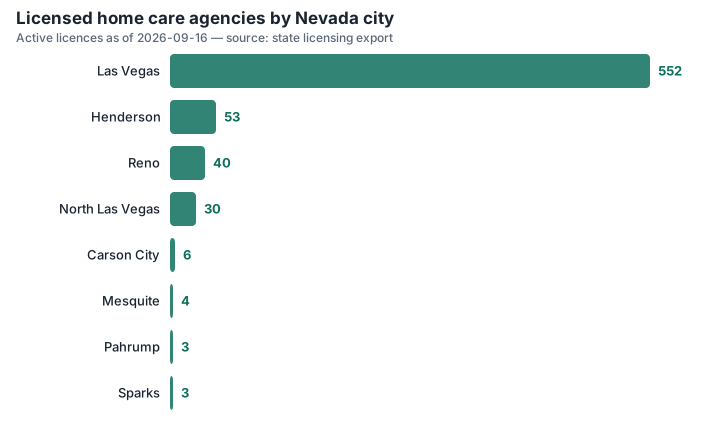
Residents in Las Vegas, Henderson, and Reno have more agency options due to higher concentrations. Smaller cities may have fewer choices but can still access care through agencies willing to serve their area.
To start PCS, contact Nevada Medicaid or the Division of Health Care Financing and Policy. A case manager will assess eligibility and help arrange services. For questions about licensing or to verify an agency’s status, contact the Nevada Bureau of Health Care Quality and Compliance.